
What’s Causing Bare Spots in My Lawn? 5 Common Problems and How to Fix Them
If you’ve recently moved to Colorado and are wondering why your once-green lawn is turning into a patchy mess… you’re not alone.
Our climate here is tough on grass. Between dry air, temperature swings, compacted soil, and hungry pests, it doesn’t take much for bare spots in your lawn to show up.
The good news? Most of these problems are fixable once you know what’s causing them.
1. Grubs in Grass: The Hidden Lawn Destroyers
If your grass feels loose or pulls up like a rug, you might be dealing with grubs.
Grubs are small, white larvae that live just below the surface and feed on grass roots. Once the roots are gone, your lawn can’t hold on… so it dies off in patches.
Signs to look for:
- Brown, thinning patches that spread
- Grass that lifts easily from the soil
- Increased animal activity (raccoons and birds love grubs)
How to fix it:
For a DIY approach, you can apply a grub control treatment and water it in well. Timing matters and late spring through early fall is best.
How J. Rick can help:
We use targeted treatments that stop the lifecycle of grubs before they cause serious damage, helping protect your lawn long-term instead of just reacting to the problem.
2. Soil Compaction: When Your Lawn Can’t Breathe
Colorado soil is notorious for being dense and compacted. Over time, foot traffic, pets, and even mowing can press the soil down so tightly that water, air, and nutrients can’t get through. Think of it like trying to grow grass in concrete. It just won’t work.
Signs to look for:
- Thin or patchy lawn areas
- Water pooling instead of soaking in
- Hard soil that’s difficult to dig into
How to fix patchy grass caused by compaction:
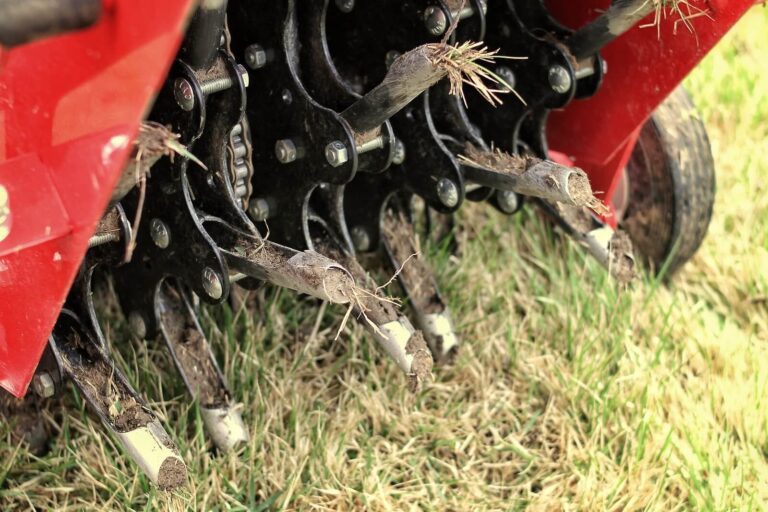
Aeration is the key. This process removes small plugs of soil to “open things up” and let your lawn breathe again.
How J. Rick can help:
Our core aeration services are timed specifically for Colorado conditions, giving your lawn the best chance to recover and fill in those bare spots.
With over 300 days of sunshine and higher elevation, your lawn gets hit with intense UV exposure. That can dry grass out fast and lead to bare spots in your lawn, especially during the peak of summer.
Signs to look for:
- Dry, straw-like patches in full sun areas
- Grass thinning in the hottest parts of your yard
- Areas that struggle even with regular watering
How to fix patchy grass caused by heat:
- Water deeply and early in the morning to reduce evaporation
- Raise your mower height to help shade the soil
- Avoid mowing during peak heat times
- Consider drought-tolerant or Colorado-friendly grass blends
How J. Rick can help:
We tailor your lawn care plan to handle Colorado’s intense sun, including proper fertilization timing and recommendations that help your lawn stay strong through the hottest months.
3. Heat Stress & Sun Exposure: Too Much of a Good Thing
In most parts of the country, shade is the problem. In Colorado? It’s often the opposite.
With over 300 days of sunshine and higher elevation, your lawn gets hit with intense UV exposure. That can dry grass out fast and lead to bare spots in your lawn, especially during the peak of summer.
Signs to look for:
- Dry, straw-like patches in full sun areas
- Grass thinning in the hottest parts of your yard
- Areas that struggle even with regular watering
How to fix patchy grass caused by heat:
- Water deeply and early in the morning to reduce evaporation
- Raise your mower height to help shade the soil
- Avoid mowing during peak heat times
- Consider drought-tolerant or Colorado-friendly grass blends
How J. Rick can help:
We tailor your lawn care plan to handle Colorado’s intense sun, including proper fertilization timing and recommendations that help your lawn stay strong through the hottest months.
4. Watering Mistakes (Overwatering vs Underwatering)
In Colorado, watering can feel like a guessing game. The dry air makes it seem like your lawn always needs more but overwatering is actually one of the most common causes of bare spots in your lawn.
Too little water dries your grass out. Too much water keeps roots shallow and can lead to disease. Either way, you end up with a patchy lawn that struggles to fill in.
Signs of Underwatering
- Grass turns a dull greyish-blue or yellow
- Feels dry or brittle to the touch
- Footprints linger longer than usual
Signs of Overwatering
- Soil feels constantly soggy or spongy
- Mushrooms or fungus start to appear
- Grass looks yellow or thin despite being watered often
- Uneven growth across your lawn
How to fix it:
Focus on deep, infrequent watering instead of a little bit every day. Most lawns do best with watering 2–3 times per week, depending on the season.
Water early in the morning so your lawn can soak it in before the sun evaporates it. And keep in mind your sprinkler type, soil, and time of year all play a role, so some adjustment is normal.
How J. Rick can help:
We help take the guesswork out of watering by building it into your overall lawn care plan. From seasonal recommendations to supporting healthy root growth, we make sure your lawn is getting what it needs; without overdoing it.
5. Nutrient Deficiency: Your Lawn Is Hungry
Colorado lawns commonly suffer from nutrient deficiency due to our soil composition. Grass needs nutrients to grow thick and fill in gaps but it is all too common to have clay-heavy and high pH soil makes most grass become weak, thin, and more prone to damage.
Signs to look for:
- Pale or yellowing grass
- Slow growth
- Thin, uneven coverage
How to fix large bare spots in lawn areas:
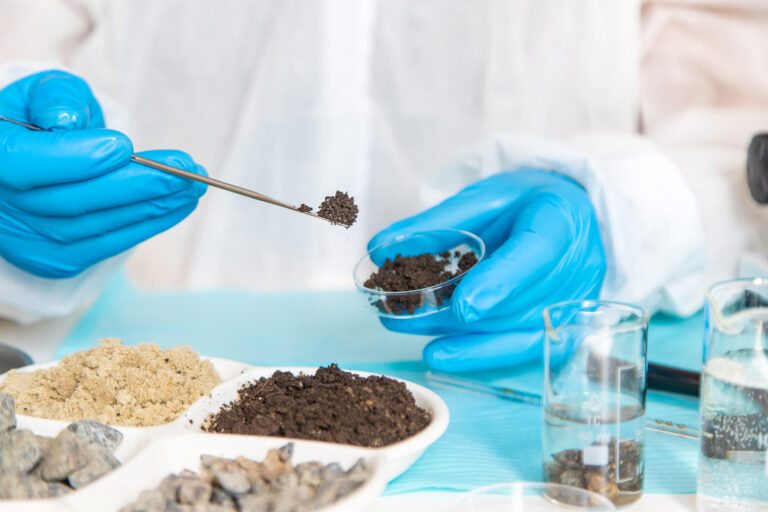
Start with a quality soil test to identify what your soil is deficient in. Then, based on that information, fertilize with the appropriate nutrient(s) to feed your lawn. And remember, while Spring is important, it’s also wise to fertilize every several weeks.
How J. Rick can help:
Our lawn care program includes scheduled fertilization throughout the season, giving your lawn a steady supply of nutrients; like a consistent, balanced diet.
Lawn Patch Repair: How to Fix Bare Spots Step-by-Step
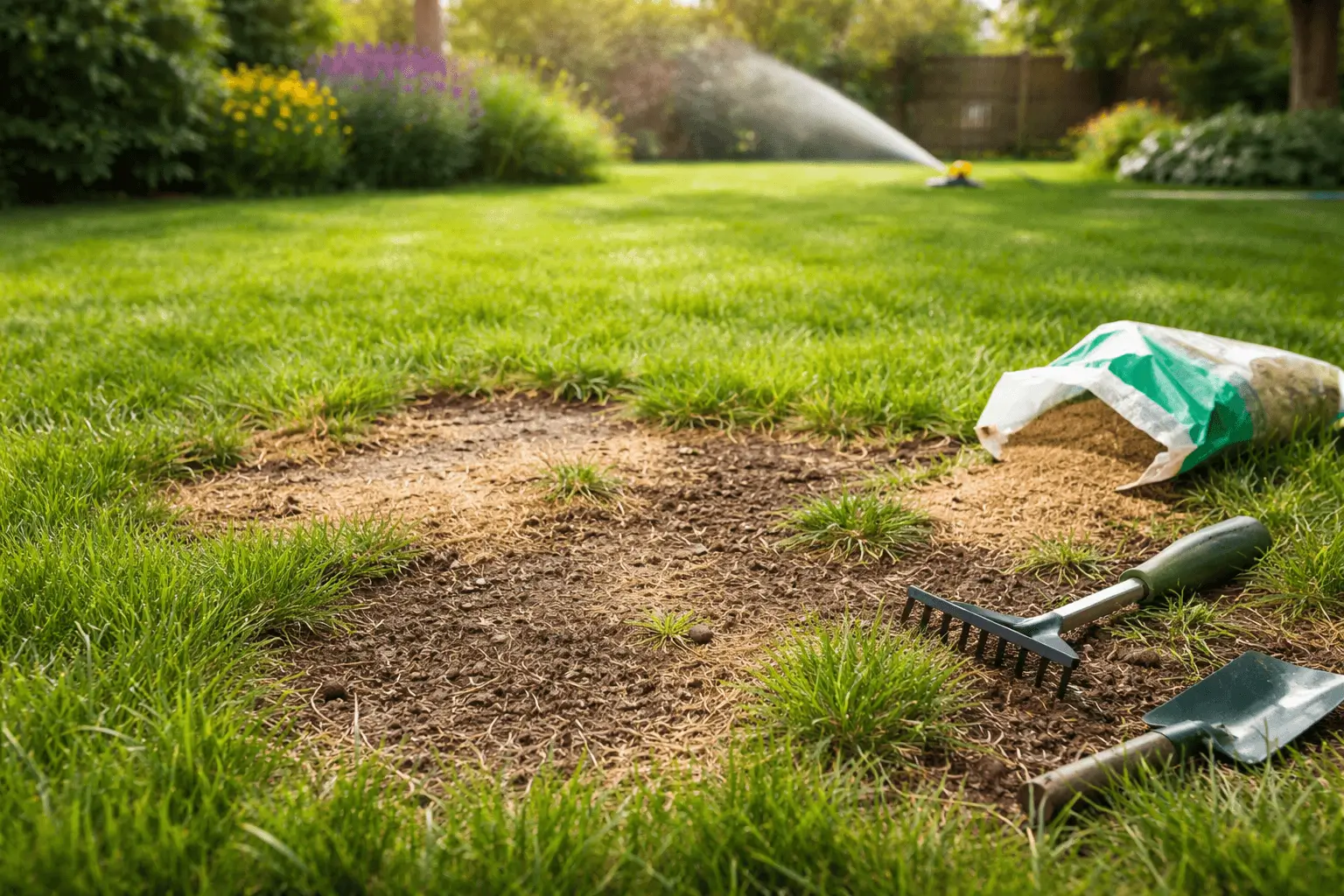
Once you’ve addressed the root cause, it’s time to repair the damage.
Here’s a simple approach to lawn patch repair:
- Rake out dead grass and loosen the soil
- Add a thin layer of fresh soil or compost
- Spread grass seed evenly
- Lightly cover with soil and water regularly
- Keep the area moist until new growth appears
Consistency is key here. It takes a little patience, but done right, those patches will fill back in.
Ready for a Healthier Lawn?
If you’re dealing with bare spots in your lawn and want a long-term solution, our lawn care program is built specifically for Colorado conditions.
Request a quote today and let’s get your lawn back to looking the way it should.