
Why Commercial Lawn Care Services are Necessary (and What to Include)
It’s common for property managers to focus on the building itself. It’s the primary reason they for owning the property because it contains the residents and tenants that provide income. However, it’s important to keep the exterior of the building… and it’s property top of mind as its the very first thing noticed by guests, customers, and the leaseholders.
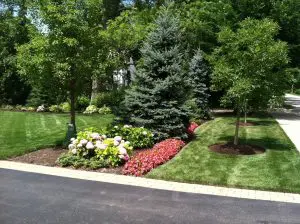
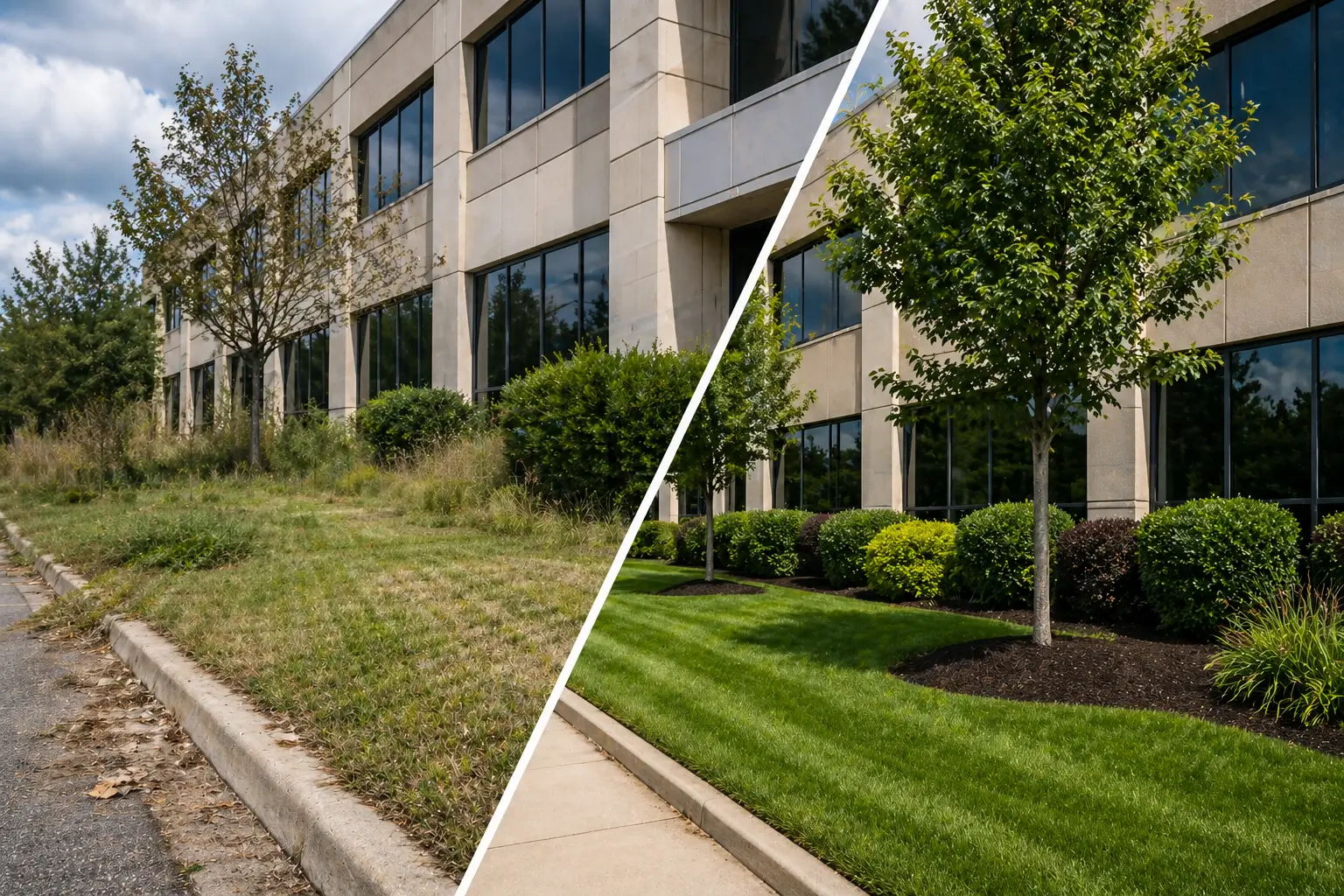
Overgrown grass, weeds creeping into sidewalks, dead patches in the lawn, or neglected trees can quietly shape how people feel about a property before they ever walk through the door. On the other hand, a clean, well-maintained landscape and exterior creates a sense of care, professionalism, and safety.
For property managers, commercial lawn care is not just about appearance. It’s part of protecting property value, keeping tenants happy, and reducing avoidable problems before they become expensive.
Landscaping Impacts Tenant Experience More Thank You Think
Whether you manage an HOA, office complex, retail center, apartment community, or medical building, your outdoor spaces become part of the daily experience for the people who use them.
Tall weeds, muddy/dirty walkways, dead grass, trash, and poorly maintained shrubs and trees make your property feel forgotten. Even if the building itself is in good condition, poor landscaping can lower the overall perception of the property.
Many real estate professionals estimate poor landscaping can reduce perceived property value by roughly 10 – 20%. In more severe cases the loss can reach 30% or more when landscaping and exterior presentation are heavily neglected.
Studies and industry reports commonly show professional maintained landscaping can increase commercial property value or rental desirability by 7 – 15%, with some competitive markets seeing even higher impacts.
Preventative Care Costs Less Than Reactive Fixes
One of the biggest misconceptions about commercial lawn care is that it is mostly cosmetic. In reality, routine maintenance is preventative maintenance.
For example:
- Untamed weeds spread quickly choking out existing grass and some plants
- Dry spots can turn into dead turf leading to bare spots and mud in the wet seasons
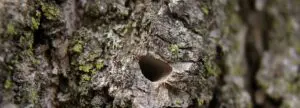
- Diseased trees can become hazardous leading to infecting other nearby trees
- Overgrown branches can damage building, signage, or vehicles
- Poor irrigation can waste water and crease utility costs
Think of lawn care the same way you think about maintaining HVAC systems or roofing. Regular attention helps extend the life of the property and reduces the likelihood of expensive emergency repairs.
Preventative, rather than reactive, care also helps properties stay ahead of seasonal challenges, especially Colorado’s unpredictable climate. Hot, dry summers, sudden freezes, and sporadic heavy snow or rain can all stress lawns and trees throughout the year.
Liability Concerns Should Be Taken More Seriously
Landscaping problems are not always just visual issues. Sometimes they become real safety concerns.
Uneven sidewalks hidden under overgrowth, low tree limbs, icy walkways, rickety stairs or railings, and neglected irrigation leaks can all create hazards for tenants and visitors. And the reality is if someone gets hurt, those small maintenance issues can quickly become much larger — legal — problems.
Slip-and-Fall Injuries Are Extremely Common
According to the National Floor Safety Institute:
- Slip-and-fall accidents account for over 1 million emergency room visits annually in the U.S.
- Falls are one of the leading causes of liability claims against property owners and managers.
- Businesses and property owners can be held liable when hazards were preventable or due to poor maintenance.
Common landscaping-related contributors include:
- Cracked or lifted sidewalks from tree roots
- Poor snow and ice removal
- Uneven walkways
- Overgrown vegetation obstructing paths or lighting
- Irrigation overspray creating slick surfaces
- Poor drainage causing ice or mud buildup
Premises Liability Claims Are Expensive
The National Safety Council reports:
- Falls are one of the leading causes of preventable injuries nationwide.
- Commercial property owners can face substantial legal and insurance costs from injury claims, especially if negligence is documented.
Industry insurance studies commonly show:
- Average slip-and-fall settlements often range from $15,000–$50,000+
- Severe injuries can easily exceed six figures
- Legal defense costs alone can become significant even if the property owner wins
Property Appearance Influences Perceived Safety
There is also indirect data that supports the connection between maintenance and liability risk.
Studies in environmental psychology and commercial real estate consistently show that poorly maintained properties are perceived as:
- Less safe
- Less professionally managed
- More likely to contain hazards
This matters because in lawsuits, attorneys often attempt to establish a “pattern of neglect.” Poor landscaping and deferred exterior maintenance can contribute to that perception.
What Should Be Included in Commercial Lawn Care Services?
Not every property has the same needs, but a good commercial lawn care program should go beyond simply mowing the grass.
A well-rounded maintenance plan often includes:
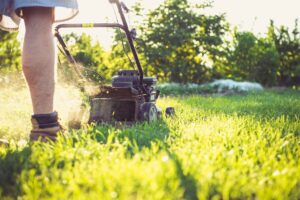
- Routine mowing and edging
- Fertilization treatments
- Weed control
- Tree and shrub care
- Seasonal cleanup
- Irrigation monitoring
- Insect and disease management
- Snow and ice management during winter months
The goal is consistency. Properties that receive ongoing attention throughout the year typically stay healthier, safer, and easier to manage long-term.
It is also important to work with a company, like J. Rick Lawn & Tree, that understands local conditions. Colorado landscapes deal with unique challenges, from drought stress to sudden temperature swings, and those conditions affect how lawns and trees should be cared for.