
Drought Resistant Plants to Add to Your Colorado Landscape This Spring
Springs ahs a way of making every yard project feel urgent. The grass starts waking up, the garden centers fill up, and suddenly everyone is thinking, “Maybe this is the year I finally do something with that bare spot by the fence; it won’t grow grass anyway.”
If you live in Colorado Springs, Castle Rock, or anywhere along the Front Range, it helps to plan before you plant. Our weather can be a little dramatic. We get dry spells, windy days, heavy sun, surprise cold snaps (like our annual May snowstorm, lol), and watering restrictisons taht can chane how much care your lanscape needs.
This is why low-maintenance outdoor plants are such a smart choice for Colorado homes. The right plants can add color, texture, and pllinator activity without demanding constant watering, fertilizing, or fussing.
Colorado Springs is commonly around Zone 6a, while Castle Rock is primarily Zone 5b, so the plants you choose need to handle cold winters, hot sun, and dry soil. Native Colorado plants and well-adapted water-wise plants are usually a great place to start.
Why Colorado Native Plants Make Sense for Local Yards
Colorado native plants are plants that were already growing here before European settlement. That means they are naturally used to our climate, soils, temperature swings, and dry conditions. When they are planted in the right spot, many native perennials need less water and fertilizer than plants brought in from wetter regions. They can also support birds, butterflies, bees, and other pollinators.
That does not mean every plant in your yard has to be native. There are also plenty of regionally adapted plants that do well here. The key is choosing plants that match your yard’s sun, soil, and watering needs.
It is also worth keeping water use in mind. Colorado deals with drought often, and dry conditions are a regular part of landscaping here. As of early May 2026, Colorado drought and wildfire risk were active concerns across the state, which makes water-wise landscaping even more important for homeowners.
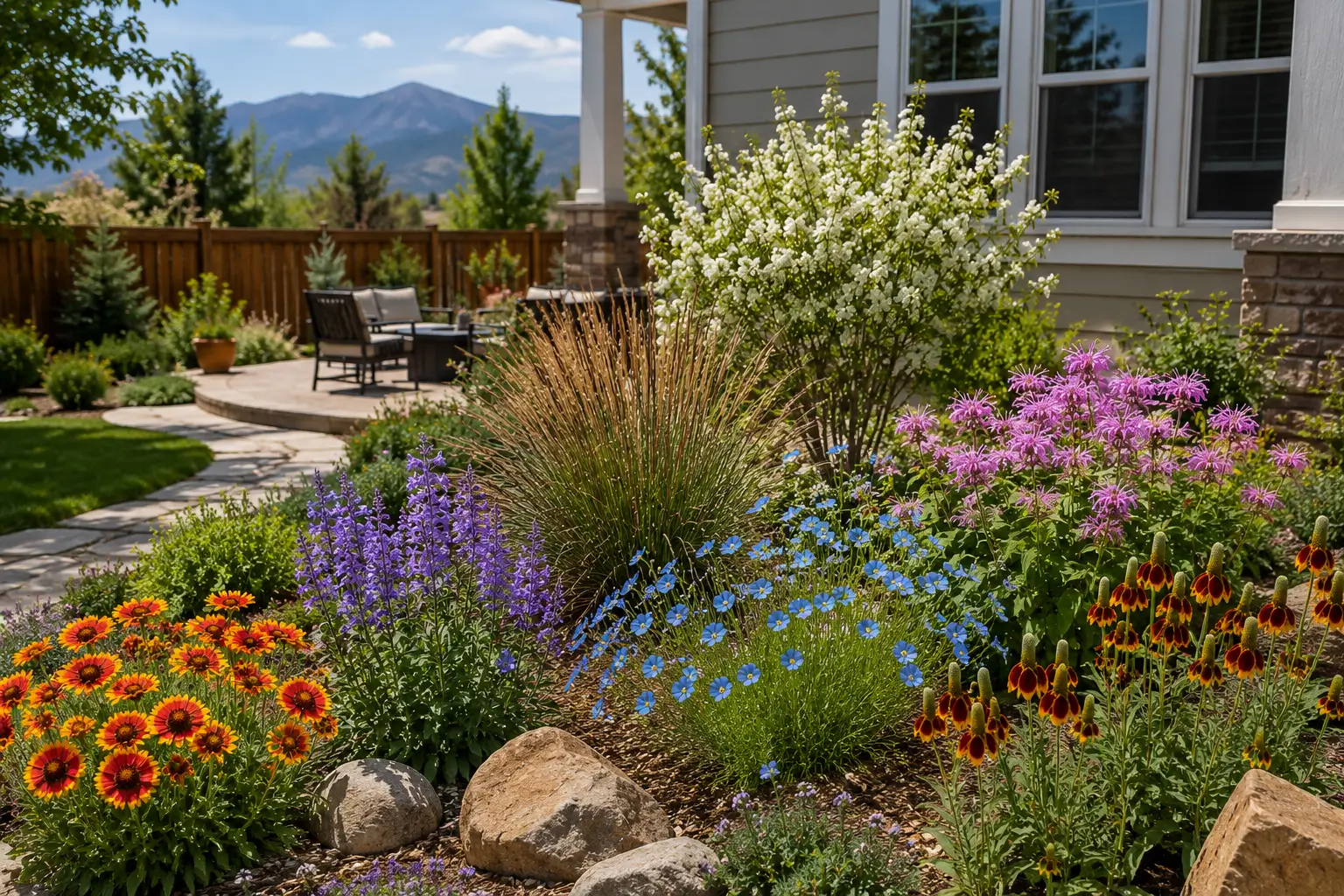
Our Favorite 7 Drought Resistant Plants for Colorado Yards
Here are a few hardy, attractive options that work well for Colorado Springs and Castle Rock landscapes. Most are native Colorado perennials or regionally appropriate water-wise plants that can handle our dry climate once established.
1. Blanket Flower
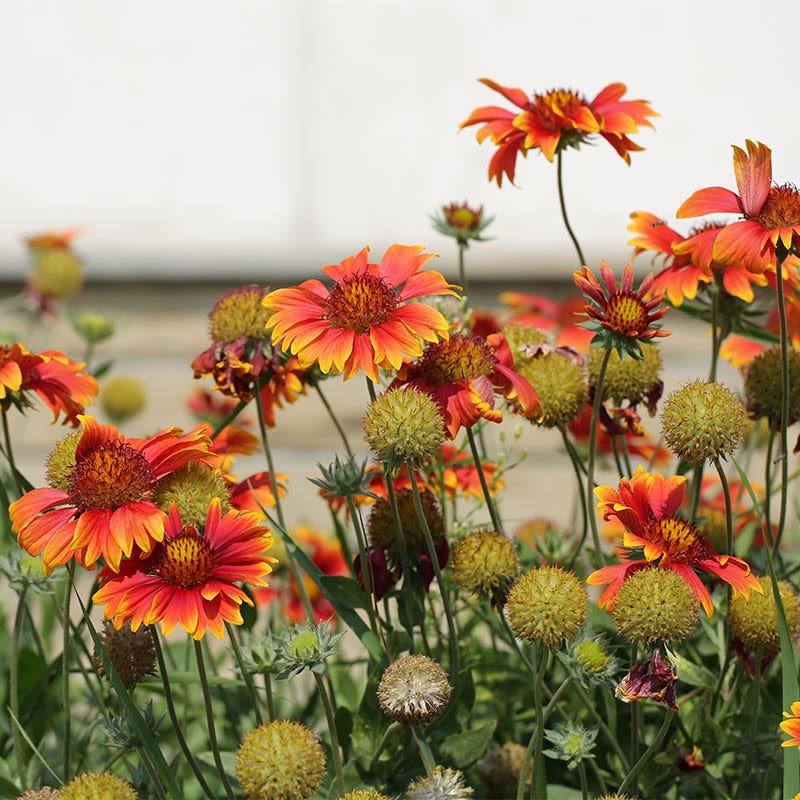
Blanket flower (also known as Gaillardia) is a cheerful, sun-loving perennial with bright yellow, orange, and red blooms. It has that wildflower look without feeling messy, which makes it a nice fit for front yard beds, rock gardens, and sunny borders.
Why homeowners like it:
It blooms for a long time, handles full sun, and works well in dry areas once it has had time to settle in. CSU Extension lists blanket flower as a native perennial suited for sun, low moisture, well-drained soil, and elevations up to about 9,000 feet.
Best spot: Full sun with well-drained soil.
Good to know: It is a great option if you want color without babying the plant all summer.
2. Rocky Mountain Penstemon
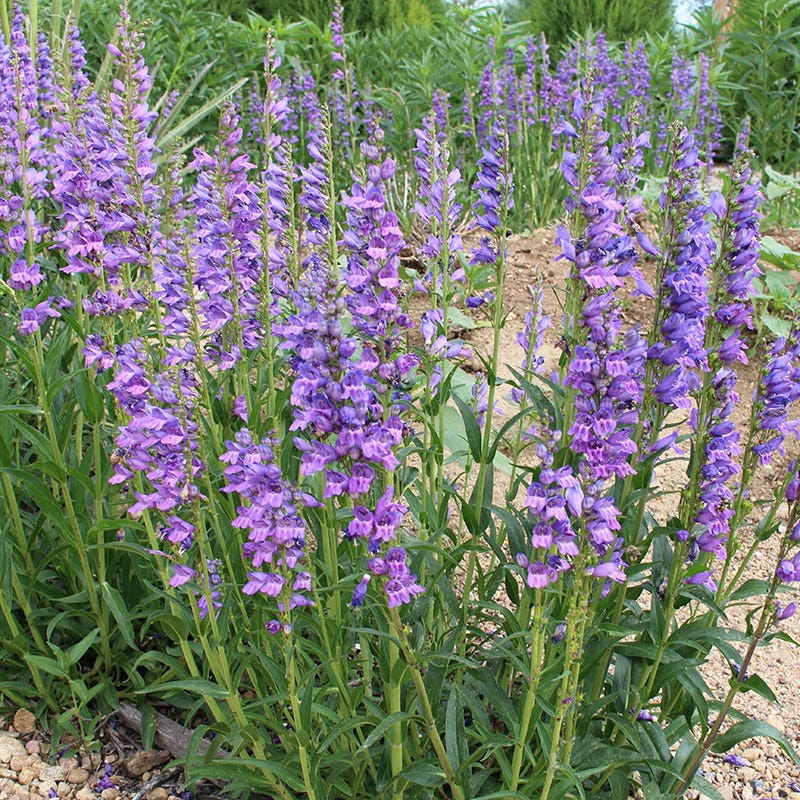
Rocky Mountain Penstemon (also known as Penstemon strictus) is one of those plants that looks polished without needing much attention. Its blue to purple flowers grow on upright spikes, adding height and color to sunny or partly shaded areas.
Why homeowners like it:
It is beautiful, native, and pollinator friendly. The tubular flowers can attract pollinators, and the plant works well in dry, well-drained soil. CSU Extension notes that Rocky Mountain penstemon grows in sun to part shade, has low-to-moderate moisture needs, and can be planted up to about 10,000 feet.
Best spot: Sunny beds, native gardens, and areas with good drainage.
Good to know: Give it breathing room. Crowding can lead to powdery mildew, especially in areas with poor air flow.
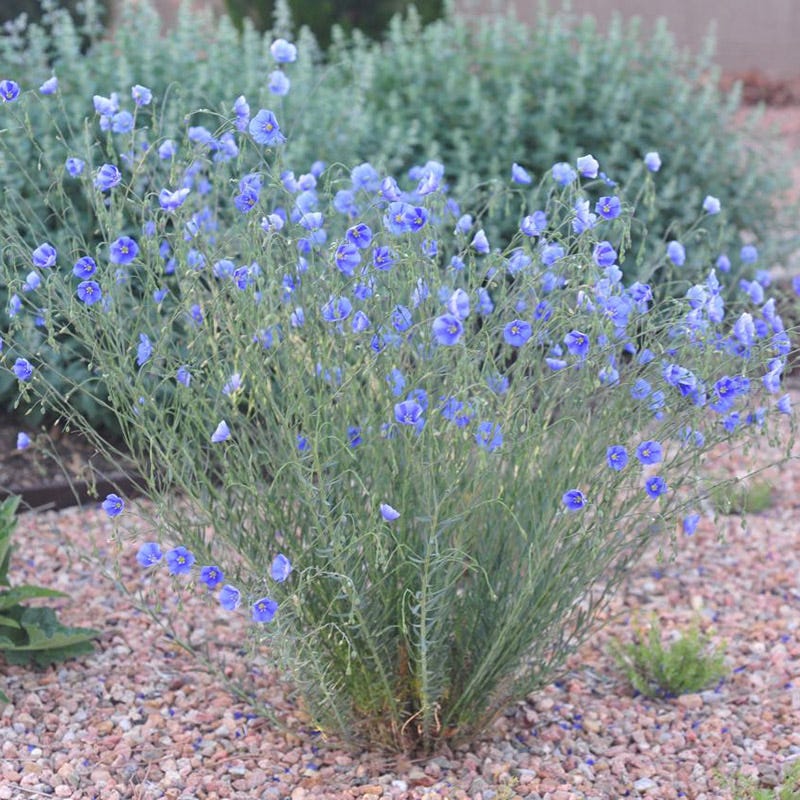
3. Blue Flax
Blue flax (or Linum perenne ‘Appar’) brings soft blue flowers and fine green foliage to the landscape. It has a light, airy look that works well mixed with grasses, wildflowers, and other native Colorado plants.
Why homeowners like it:
It is simple, pretty, and not overly formal. It can reseed, which may be a plus if you like a natural garden style.
Best spot: Full sun to part shade with well-drained soil.
Good to know: The blooms are delicate, but the plant itself is tougher than it looks.

4. Wild Bergamot
Wild bergamot, also called bee balm, (or Monarda fistulosa) is a pollinator friendly plant with lavender-pink flowers and fragrant foliage. It adds a softer, meadow-like look to garden beds and can help bring bees, butterflies, and other beneficial insects into the yard.
Why homeowners like it:
It gives you color, fragrance, and pollinator value in one plant. CSU Extension lists wild bergamot as a native perennial with low-to-moderate moisture needs, sun exposure, and flowers that bloom in the middle of the season.
Best spot: Sunny beds with good air circulation.
Good to know: Like penstemon, wild bergamot appreciates space. Good airflow helps reduce mildew issues.
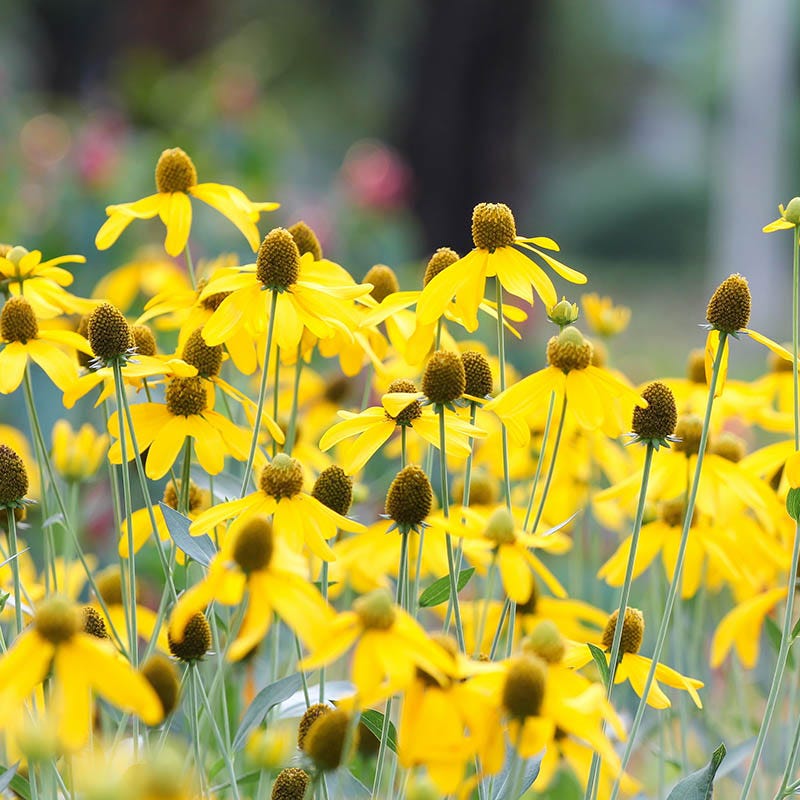
5. Prairie Coneflower
Prairie coneflower, also known as Mexican hat, (or Ratibida pinnata) has a fun, recognizable shape with drooping petals and a raised center. It brings a casual wildflower feel to dry areas and works especially well in naturalized beds.
Why homeowners like it:
It is drought tolerant, pollinator friendly, and has a strong Colorado prairie feel. CSU Extension lists prairie coneflower as a native perennial for sun, low moisture, and well-drained soils.
Best spot: Full sun, rock gardens, native beds, and low-water areas.
Good to know: Best spot: It may reseed, which can be helpful if you want a fuller wildflower-style planting over time.
Good to know: The blooms are delicate, but the plant itself is tougher than it looks.
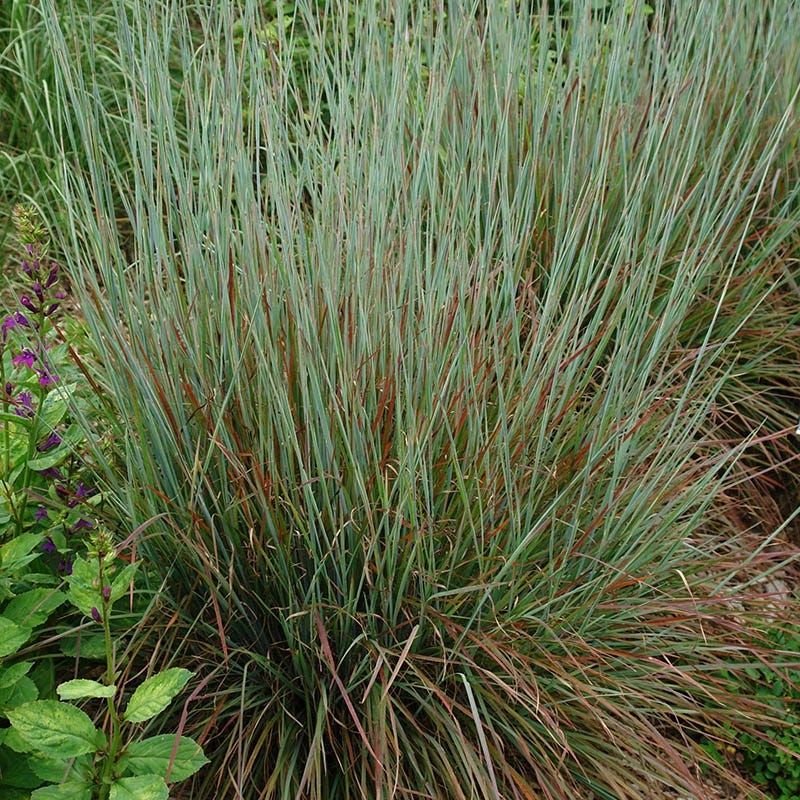
6. Little Bluestem
(aka Schizachyrium scoparium) Not every low-maintenance plant needs big flowers. Little bluestem is a native ornamental grass that adds movement, texture, and fall color. It pairs beautifully with flowers like blanket flower, penstemon, and prairie coneflower.
Why homeowners like it:
It gives a yard structure without needing constant pruning or extra water. It also works well in more natural landscape designs.
Best spot: Full sun and dry to average soil.
Good to know: Ornamental grasses are helpful when you want a landscape to look full even after flowers are done blooming.

7. Serviceberry
If you want something larger than a perennial, serviceberry (aka Amelanchier alnifolia) can be a great shrub or small tree option depending on the variety. It offers spring flowers, berries for birds, and seasonal interest without being overly fussy.
Why homeowners like it:
It gives more structure than flowers alone and can help make a landscape feel finished. The Castle Rock approved plant list includes serviceberry varieties among native and regionally adapted plants for water-wise landscapes.
Best spot: Sun to part shade, depending on the variety.
Good to know: Because serviceberry gets larger than the other plants on this list, think through placement before planting. Give it room to grow.
What About Low-Maintenance Outdoor Potted Plants for Full Sun?
Containers can be tricky in Colorado. Pots dry out faster than garden beds, especially in full sun, wind, and hot weather. That means even drought tolerant plants usually need more attention in containers than they would in the ground.
That said, some plants can still work well in sunny pots if you use a large container, choose well-draining soil, and stay consistent with watering while they establish.
Good options to consider include:
- Blanket flower
- Penstemon
- Yarrow
- Catmint
- Lavender
- Smaller ornamental grasses
For Castle Rock and Colorado Springs, larger containers are usually better than small pots. They hold moisture longer and give roots more insulation during temperature swings.
One important note: a plant that is hardy in the ground may be less protected in a pot during winter. If you want potted perennials to come back next year, choose cold-hardy options and consider moving pots to a protected area during the coldest months.
How to Make Low-Maintenance Plants Even Easier to Care For
Even the toughest plants need a good start. Low maintenance does not mean no maintenance, especially during the first season.
To help your plants settle in:
- Choose the right plant for the right spot. Pay attention to sun, shade, soil, and drainage.
- Water consistently while new plants establish. CSU also notes that native transplants may need supplemental moisture for a few months to a few years, but watering can usually be reduced over time.
- Avoid over-improving the soil. Many native plants do not need rich, heavily amended soil. In fact, overly rich soil can make some native plants grow too fast and become short-lived.
- Group plants by water needs. This is sometimes called hydrozoning, but the simple idea is this: thirsty plants should go with thirsty plants, and low-water plants should go with low-water plants. Castle Rock’s plant list organizes plants by water needs to support more sustainable landscapes.
- Use mulch wisely. Mulch helps protect roots, reduce weeds, and hold moisture in the soil. Just avoid piling it directly against plant crowns or tree trunks.
Plan Now, Plant Later
Spring is a great time to start thinking through your landscape, even if you are not ready to plant everything right away. Planning ahead gives you time to choose the right plants, find good photos for inspiration, and avoid impulse buys that may not survive Colorado’s dry, sunny conditions.
If your yard has bare spots, high-water areas, struggling plants, or sections that never seem to look quite right, switching to Colorado native perennials and water-wise plants can make a big difference.
The right plants can help your yard look more colorful, more natural, and more prepared for the kind of weather we get along the Front Range.
And that is the real goal: a yard that looks good without making you work for it every weekend.
Photo Disclaimer: Photos are borrowed from High Country Gardens, however, J. Rick Lawn & Tree is not sponsored or affiliated in any way with the company.